


Ball Bearing
HGV Bearings is a fast growing company based in China. We have over 20 years experience.We are dedicated to share the product knowledge, application expertise and consistently dependable service to our customers all the time. We specialize in producing Flanged Disc Harrow Units, Round Bore, Square Bore, Non-standard Series,Hex Bore Series, Square Bore, and other Wheel Hub Bearings.
24 Hours Online Response:Experience round-the-clock support with our 24 Hours Online Response service. We are here to answer your queries and provide timely assistance at any hour. No matter the issue you're facing, our team is available around the clock to ensure you receive prompt support.
20+ Years Experience:With more than two decades of experience, We serve nearly 100 customers and receive very good reviews.


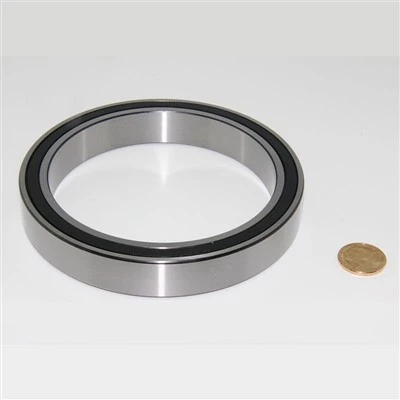


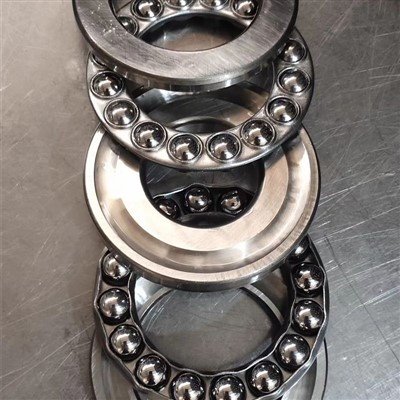

A ball bearing is a type of rolling-element bearing that uses balls to maintain the separation between the bearing races. The purpose of a ball bearing is to reduce rotational friction and support radial and axial loads. If you want to know the specifications and prices of Ball Bearing, please contact us!
01
Ball bearing wheels are designed to handle significant loads while maintaining their smooth operation. This versatility makes them suitable for both light-duty and heavy-duty applications.
02
Constructed from high-quality materials, ball bearing wheels exhibit durability and longevity, even when subjected to demanding conditions. They withstand the rigors of daily use and challenging environments.
03
04
05
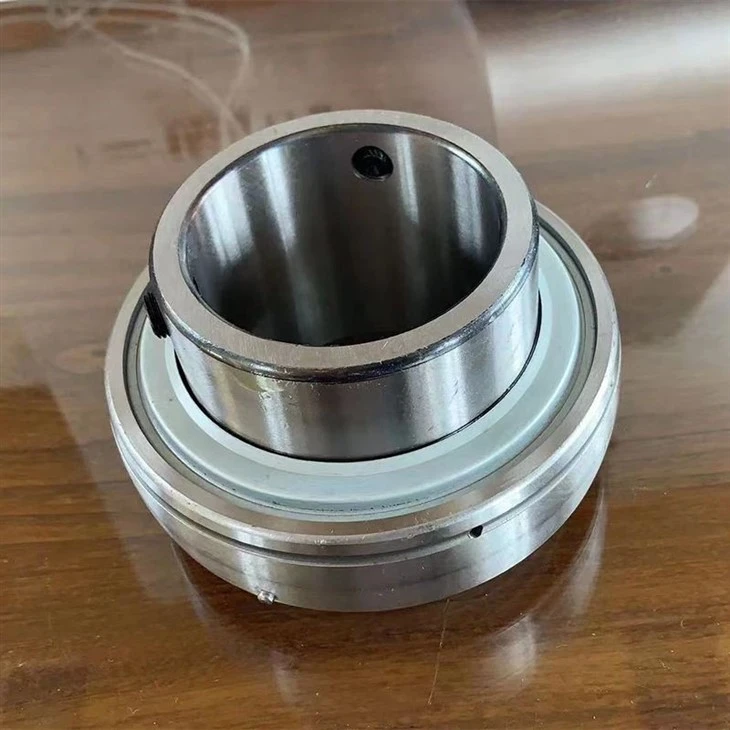
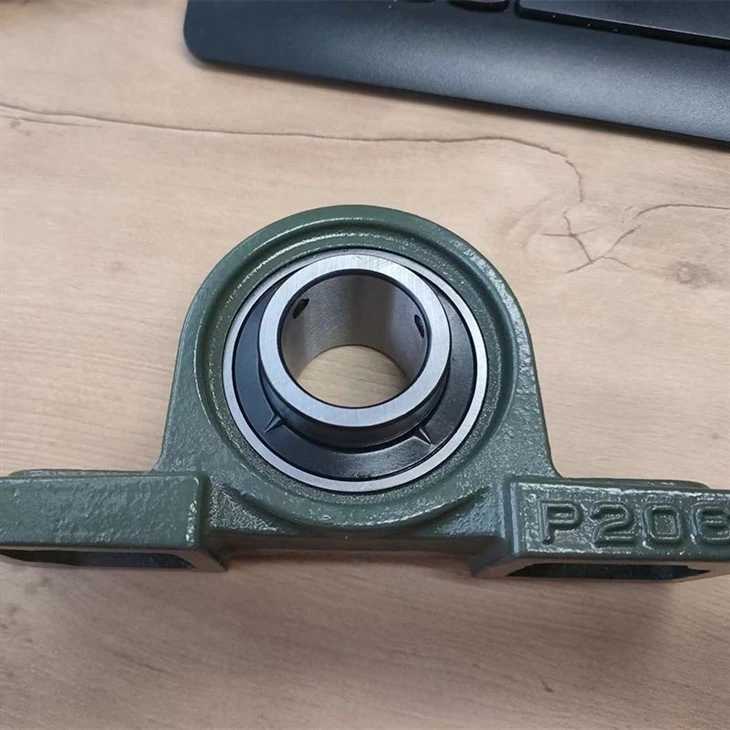

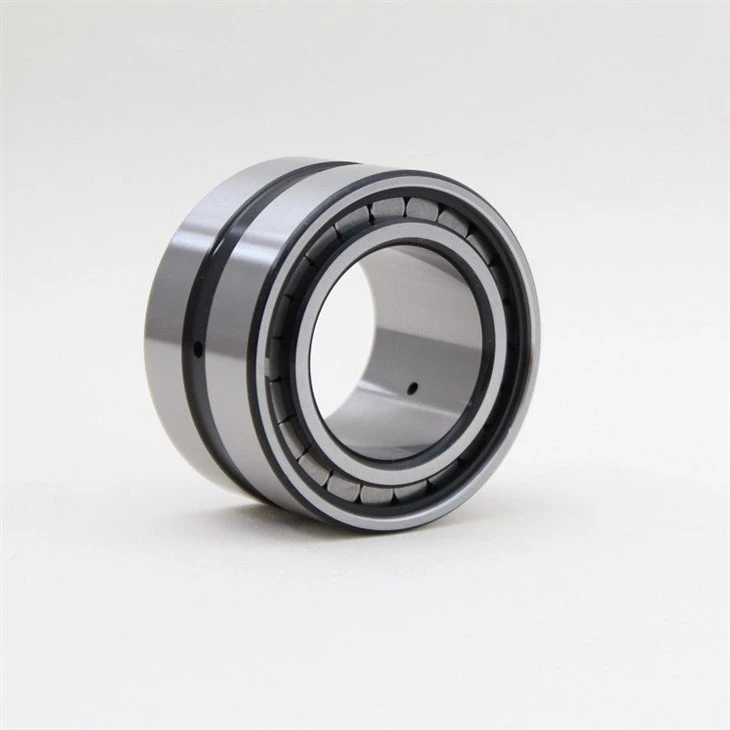
These types of bearings incorporate a high number of balls to provide a relatively high load carrying capacity, and they can accommodate axial loads in a single direction only. They are typically adjusted against a second bearing, and consist of non-separable rings.
These bearings have a design that corresponds to two single row bearings arranged back-to-back, but where two single bearings take too much axial space. They can accommodate axial and radial loads in either direction and tilting moments.
These types of bearings are the most commonly used types of ball bearings. They are available in the shield, seal, and snap-ring arrangements. The dimensions of the race within these kinds of bearings closely match the dimensions of the contained ball. They also have the ability to support heavy loads. Deep groove bearings offer both axial and radial support.
These are the most common types of all bearings. They are widely used. There are circular arcs of a radius that is slightly larger than that of the balls on the raceway grooves of the inner and outer rings. To add on top of radial loads, the imposition of axial loads can be done in either direction. These types of ball bearings have a low torque, and are highly suited for applications in which high speeds and low power loss are required. To add on top of open type bearings, these bearings often have shields made of steel or installed rubber seals on one side or both sides and are pre-lubricated with grease.
Double row deep groove ball bearings perfectly fit bearing arrangements in which there is an inadequate load-carrying capacity of a single row. Double row deep groove bearings are slightly wider compared to single row bearings in the 63 and 62 series, for the same bore and outside diameter. But they have a load-carrying capacity that is considerably high. These types of ball bearings are only found as open bearings (without any seals or shields).
These types of ball bearings are formed by a combination of two angular contact bearings. The combinations that are possible include back-to-back (type DB), face-to-face (type DF) with the faces of the outer ring together, or both front faces being in the same direction (type DT).
Ceramic bearing balls can have a weight of up to 40% less than steel ones, depending on the material and size. This results in the reduction of the centrifugal loading and skidding, so hybrid ceramic ball bearings can operate 20% to 40% faster than conventional bearings. The meaning of this is that, the force exerted inwards against the ball during the spinning of the bearing, by the outer race groove is less.
Miniature bearings are manufactured under the standard European metric sizes under 20 millimeters. They vary from one eighth of an inch in their overall diameter to 20 millimeters in their overall size. One of the smallest sizes is a bore of 0.04 and an overall size of one eighth of an inch. Because of its unique size, this type of bearing is helpful in a broad range of applications.
Self-Aligning Ball Bearings
These types of ball bearings are composed of bearing rings that are washer-like, and have raceway grooves. The ring that is attached to the shaft is known as the shaft washer or inner ring, while that attached to the housing is termed the housing washer or outer ring.
Fewer machines contain more rotating parts than the standard automobile. A wide range of components - such as the engine, driveshaft, driveline, wheels, and steering column - make use of some type of ball bearing. These bearings help to enhance vehicle performance and boost efficiency by lessening the demands on the brakes while the vehicle is in motion. Bearings also allow the vehicle to readjust when traversing over rough terrain, and dampen shocks and vibrations from sudden braking activity. Automobiles make use of several types of ball bearings, including tapered roller bearings, deep groove ball bearings, and thrust ball bearings.
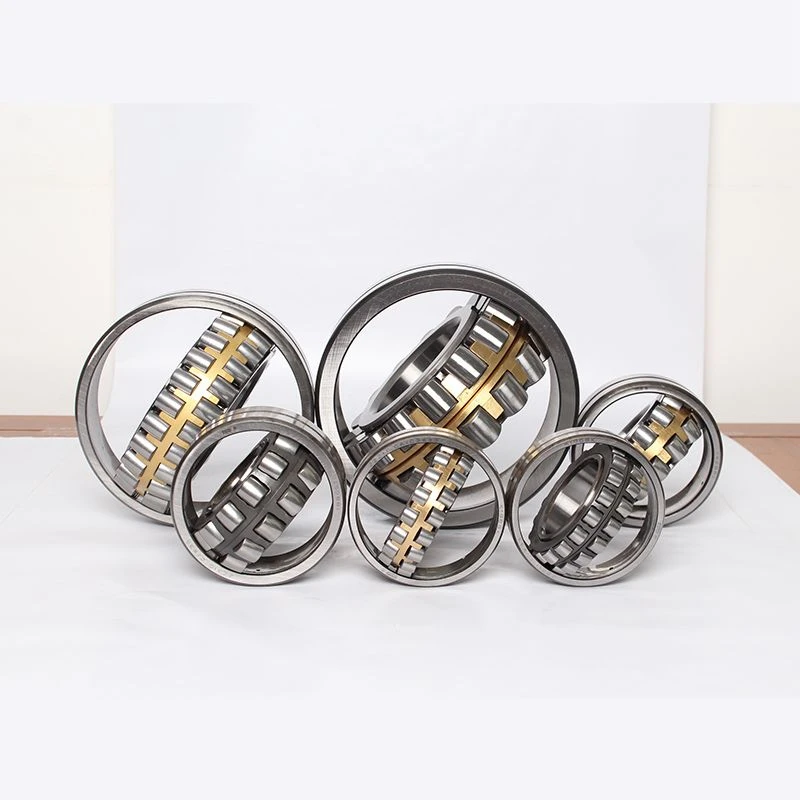
In the construction industry, ball bearings are used in a type of earthquake-resistant building technology known as base isolation. With this system, a building's foundation is fitted with large, frictionless ball bearings. This allows the structure to be isolated from the foundation by the ball bearings, ensuring optimal construction stability. When ground movement occurs due to seismic motion, the foundation and the bearings move while imparting little to no motion to the superstructure. Since the building experiences less movement, seismic design requirements are reduced, allowing for enhanced safety and more economical structural designs.
Most modern electricity generation methods involve the use of electromagnetic induction, which entails moving a conductor relative to a magnetic field in order to produce electricity. Ball bearings are frequently used to facilitate the rotational movements that generate electricity in turbines. These bearings can also be found in other equipment such as pumps, compressors, and electric motors in coal-fired, wind, and hydroelectric power plants. And in wind power applications, ball bearings are used in subcomponents including rotor shafts, gearboxes, and generators.
In addition to balls, all ball bearings have races. Races are the pathways or passages that contain the balls. Ball bearings have an inner race and an outer race. As you may have guessed, the inner race is the innermost pathway, whereas the outer race is the outermost pathway. The races typically have a uniform groove in the center. As the balls roll, they'll follow these grooves. With races, the balls will remain confined. They won't venture out of the races, nor will they become stuck. Races allow the balls to roll smoothly by providing them with a groove-baed pathway.